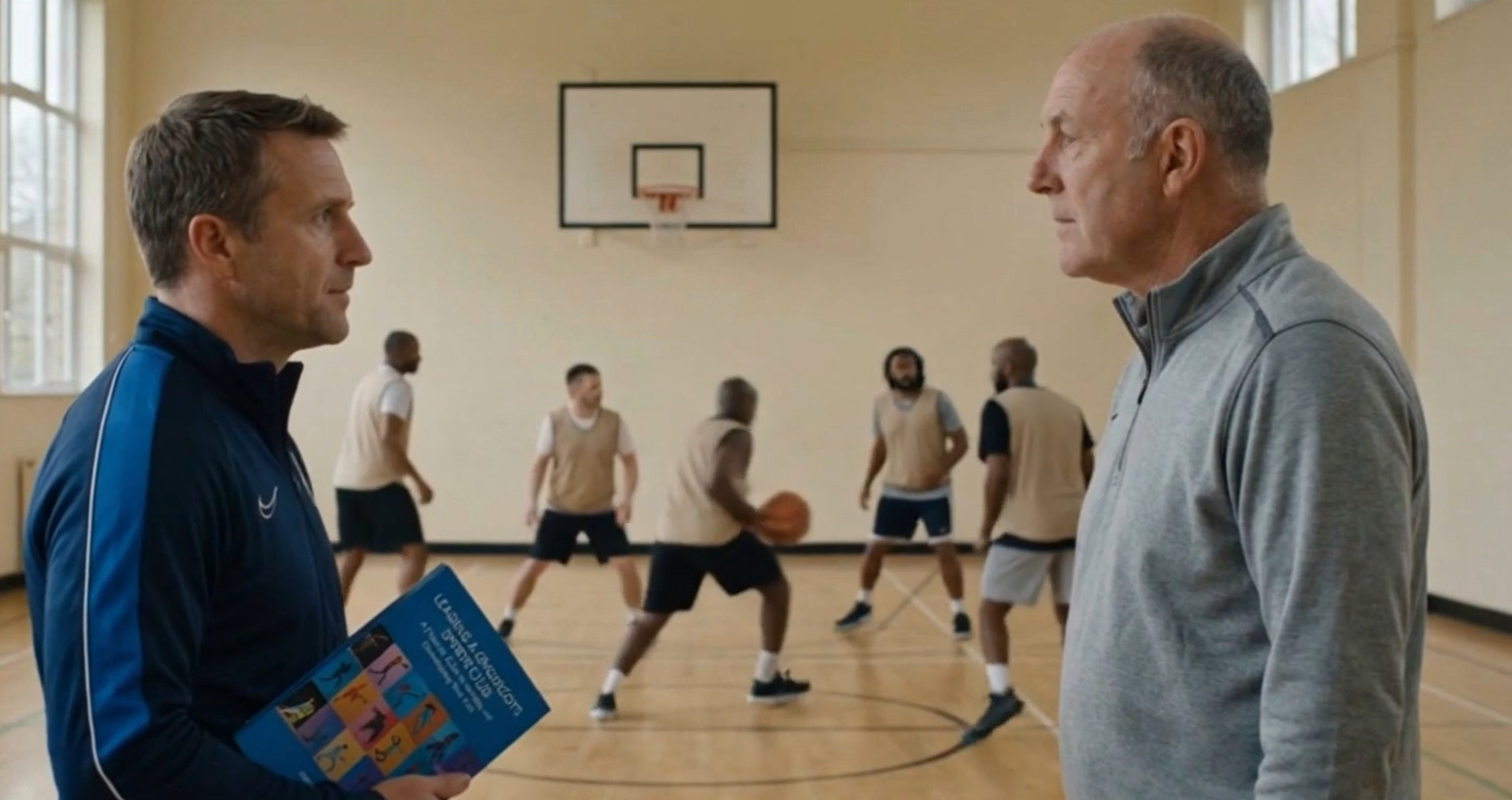
This is Week 7 of my series exploring 10 areas covered in my book, with practical ideas for grassroots sports clubs.
WEEK 7 – COMMUNITY ENGAGEMENT
If your sports club disappeared tomorrow, would the local community notice?
It’s a deliberately challenging question.
A grassroots sports club can be much more than somewhere people train and compete. It can provide somewhere to meet, help people feel less isolated and give local residents opportunities they might otherwise miss.
Board members should ask themselves:
- How well do we understand our local community?
- What local challenges could our club help address?
- Which schools, charities and community organisations share our values and could work with us?
- Could more people use our facilities?
- Who currently has no relationship with our club and why?
What practical actions can your club take to become more involved in its community?
1. Make community involvement part of your club’s purpose.
Include a community focus in your mission, vision and values, and reflect it in your club development plan. Within the plan, set out what you want to achieve, the activities involved, partners, responsibilities, timescales and resources. Identify potential funding and agree how you will measure success. Review progress with your partners and use their feedback to improve the work.
2. Conduct a community audit.
Find out which organisations operate locally, who they support and what services they provide. Use short surveys, conversations and focus groups to identify local needs and gaps. Ask residents, including those with no existing connection with the club, what additional activities they would find useful. Look at local council information on the area’s population, age groups and community needs. Map nearby schools, community groups, charities and other sports clubs. Compare this with your membership: which parts of the community are involved, and which are missing?
3. Give someone responsibility for community engagement.
Give a volunteer or staff member responsibility for building community relationships. Provide a clear role description and support from the board. Their tasks could include meeting local groups, coordinating joint activities and keeping members informed about the club’s community work.
4. Build partnerships with local organisations.
Meet representatives from schools, charities, other sports clubs, businesses and community groups. Discuss what you could do together and start with something manageable, such as promoting each other’s events, sharing facilities or organising a joint activity. Agree responsibilities and keep in regular contact.
5. Agree what your club can realistically contribute.
Choose one or two local priorities that fit your club’s skills and resources. For example, could you help older people meet others, provide affordable activities for families or offer teenagers somewhere to be active? Put these priorities into your club development plan, with a named lead, budget and review date.
6. Make better use of your facilities.
List when your clubhouse, meeting room or playing space is unused. Could it host a community group, homework club, exercise class or coffee morning? Speak to potential users, agree affordable terms and check accessibility, insurance and supervision arrangements before starting.
7. Remove practical barriers to joining in.
Review session costs, transport, equipment and booking arrangements. Give newcomers clear information and a named person to contact. Ask people who no longer attend why they stopped. Use what you learn to agree practical improvements.
8. Offer ways to belong beyond playing.
Invite residents to social activities and community events without expecting them to become players or members.
9. Be a good neighbour throughout the year.
Give nearby residents a contact for concerns about parking, noise or litter and act on reasonable feedback. Support local events and consider a joint clean-up or community fundraiser. Keep in touch through community noticeboards, local groups and face-to-face conversations as well as social media.
10. Check what difference you are making.
Record who attends, how many return and whether you are reaching the people you intended to involve. Ask a few simple questions linked to your aim, such as whether participants have met new people or feel more welcome at the club. Review the feedback with your partners, share what you have learned and change what is not working.
Community engagement takes time and consistent effort. Start with something your club can deliver well, then build from there.
Chapter 7 of Leading a Grassroots Sports Club focuses on community engagement and helping clubs become more responsive to the communities they serve.
A useful starting point this week: meet one local organisation you do not currently work with. Ask what matters to the people they support and explore one activity you could develop together.
Examples from the world of football:
1. Altrincham FC, Greater Manchester : using facilities as a community hub
The club supports activities covering disability sport, education, employability and wellbeing. Its Community Sports Hall, opened in 2015, provides a base for bringing local people together beyond matchdays. https://altrinchamfc.com/pages/in-the-community
Lesson for grassroots clubs: Start by identifying unused space and inviting local organisations to discuss how they could use it.
2. Lewes FC, East Sussex : making football affordable
Lewes relaunched its Community Tickets scheme in 2024, allowing supporters to fund tickets for people who cannot afford to attend. Tickets include a meal and drink and are distributed through local food banks. The club also supports food-bank collections. https://lewesfc.com/
Lesson for grassroots clubs: Work with an established community partner to reach people facing financial barriers and offer support discreetly.
3. FC United of Manchester : offering different ways to get involved
The club’s community programme includes disability football, sporting memories, community gardening, school partnerships and organised walks. This gives residents several ways to connect with the club, including activities that do not involve playing football. https://fc-utd.co.uk/community-programmes
Lesson for grassroots clubs: Ask what would bring local residents through the door. A gardening group or walking session could be a manageable first step.
What can your club do for its community?
Find out more about the book here: Leading a Grassroots Sports Club
If you’re a sports league or federation, send me a DM to explore how we can build a club development or knowledge-sharing programme that gives your grassroots clubs the practical tools, skills and confidence to develop.
Next week: What does your club’s reputation say about you?
#GrassrootsSport #CommunitySport #CommunityEngagement #ClubDevelopment
About Geoff Wilson
Geoff runs his own consultancy business, with a focus primarily on sport. Previously Head of Marketing and Communications at the Irish FA, Geoff now consults to a wide range of global sports organisations on areas such as strategic planning, marketing and communications, digital, fan engagement, public affairs, women’s football, league development, club development and knowledge sharing / capacity building programmes. Geoff has created numerous academic models for the sports industry. Geoff is on the Advisory Panel at the English Football League and Chair of the Sports Council Trust Company (Sport England organisation).
Geoff has written a book which focuses on ‘developing grassroots sports clubs’ to order a copy check out https://www.routledge.com/Leading-a-Grassroots-Sports-Club-A-Practical-Guide-to-Managing-and-Developing-Your-Club/Wilson/p/book/9781041094883?srsltid=AfmBOooMPgFpXYSGYwNBOLxrR6mYShU8mWeM_rbVCGlipdpjnsfqlqVD
1. Check out Geoff’s online course in strategic planning at https://geoffwilson.teachable.com/
2. The other sports models created or co created by Geoff can be found below:
- Fan engagement https://geoffwnjwilson.com/2016/08/25/254/
- Fans Journey Model https://geoffwnjwilson.com/2023/04/06/the-fan-journey-model/
- Club Development framework model https://geoffwnjwilson.com/2024/01/30/club-development-framework-model-for-the-sports-industry/
- Growing attendance https://geoffwnjwilson.com/2019/09/18/growing-attendance-model-gam/
- Data maturity on sport https://geoffwnjwilson.com/2021/05/29/61-of-all-sports-organisations-do-not-use-data-for-their-overall-strategy/
- Sports Community Engagement Model https://geoffwnjwilson.com/2024/08/22/sports-community-engagement-model/

